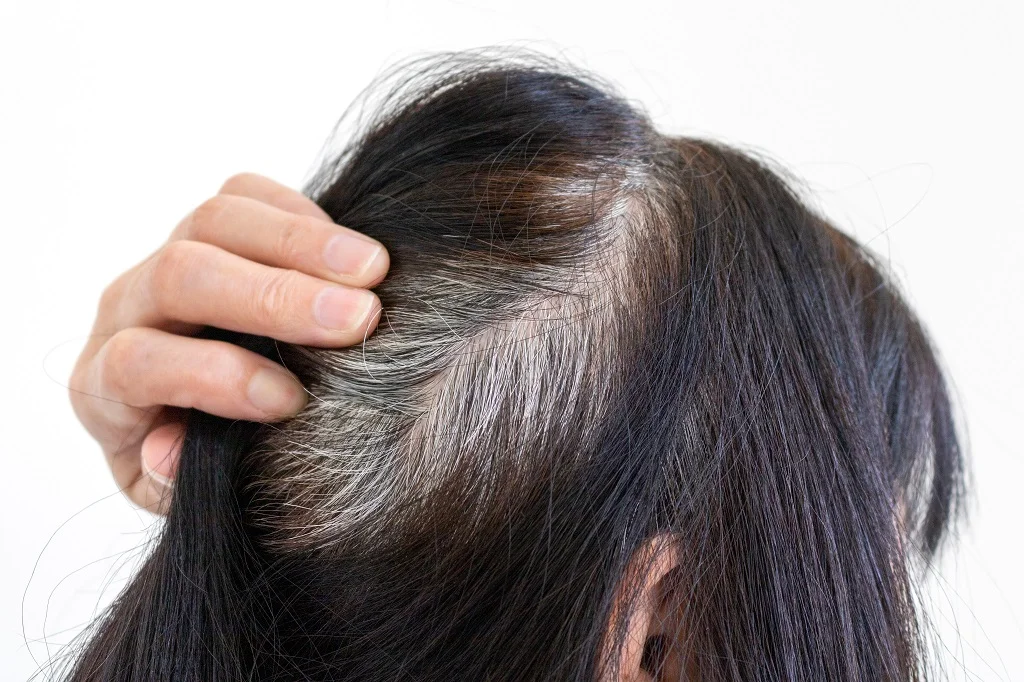
Many things can cause our hair to grey, including genetics and stress. The greying of hair most of the time is unrelated to stress, but it can worsen the greying. Hair follicles have stem cells called melanocytes that produce a pigment called melanin, which gives hair its colour. Melanocytes turn over to continue making melanin for a set amount of time.
There are two types of melanin: eumelanin and pheomelanin. Diversity in hair colour comes from the quantity and ratio of black-brown eumelanin and red-brown pheomelanin. A mutation in a certain receptor leads to red hair.
As we age, these melanin producing cells go through a process called apoptosis, or programmed cell death, causing the hair to turn grey or white.
Apart from age, other factors can determine when a person’s hair will start to change colour. The first is genetics — if your parents started to grey at an early age, there is a chance you will, too. Ethnicity also plays a role. Greying occurs earlier in Caucasians compared with African Americans.
Another reason is stress. Chronic stress can have multiple effects on the body, and the hair is no exception. The theory is that melanocytes are depleted when under stress. While genetics seems to be a larger factor in when one grays, stress can contribute to it.
HAIR GREYING
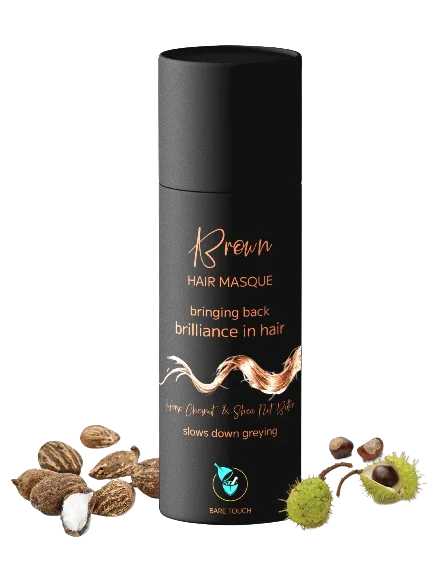
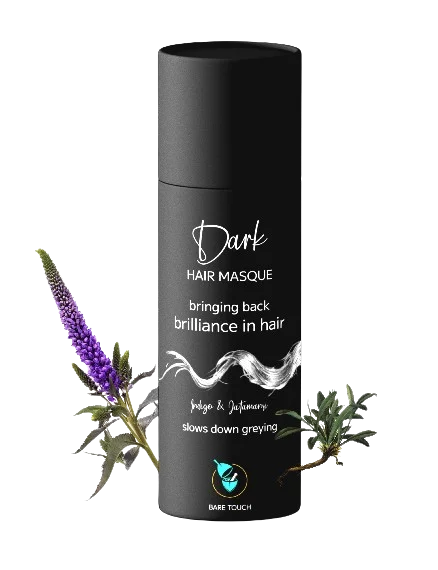
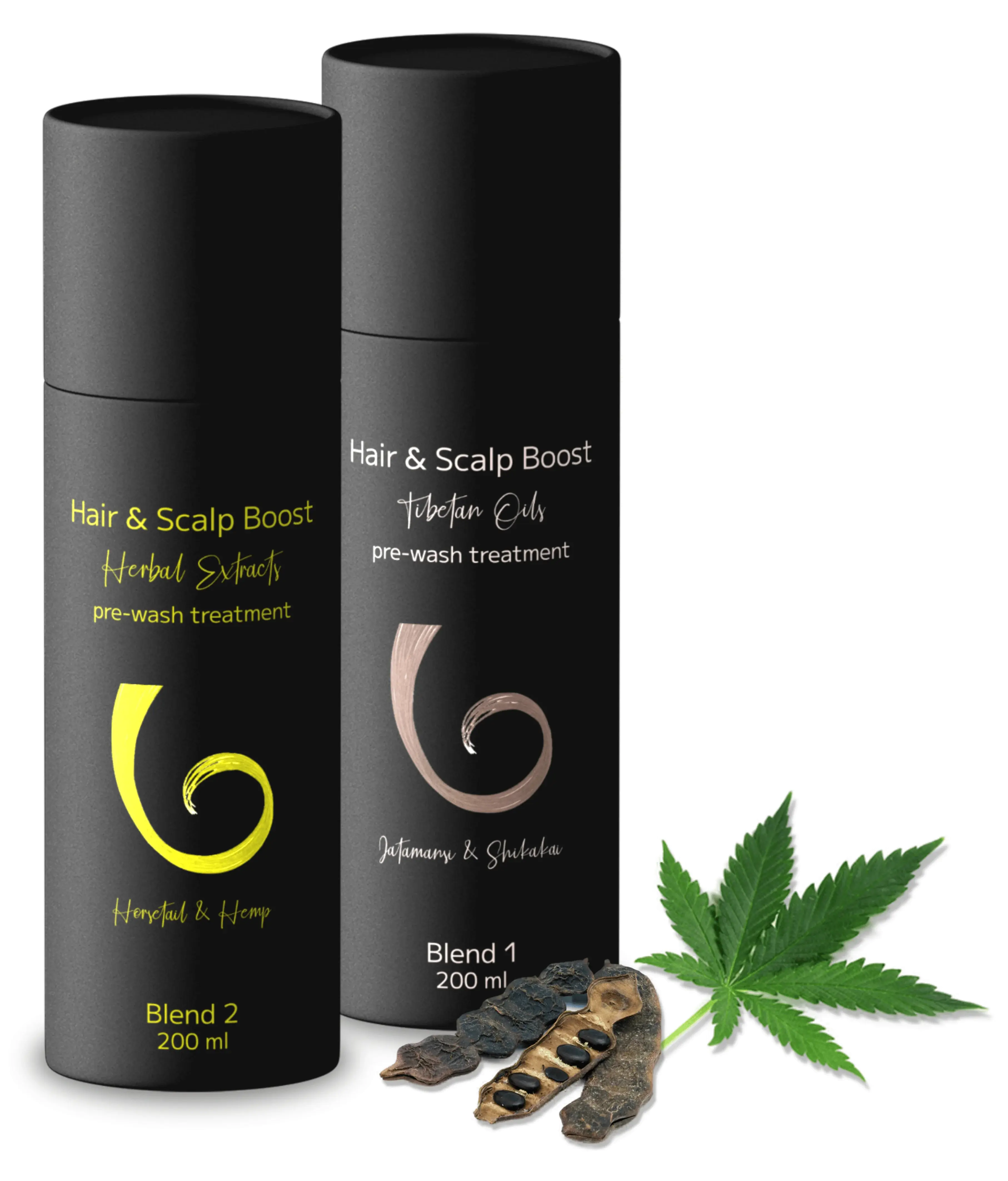
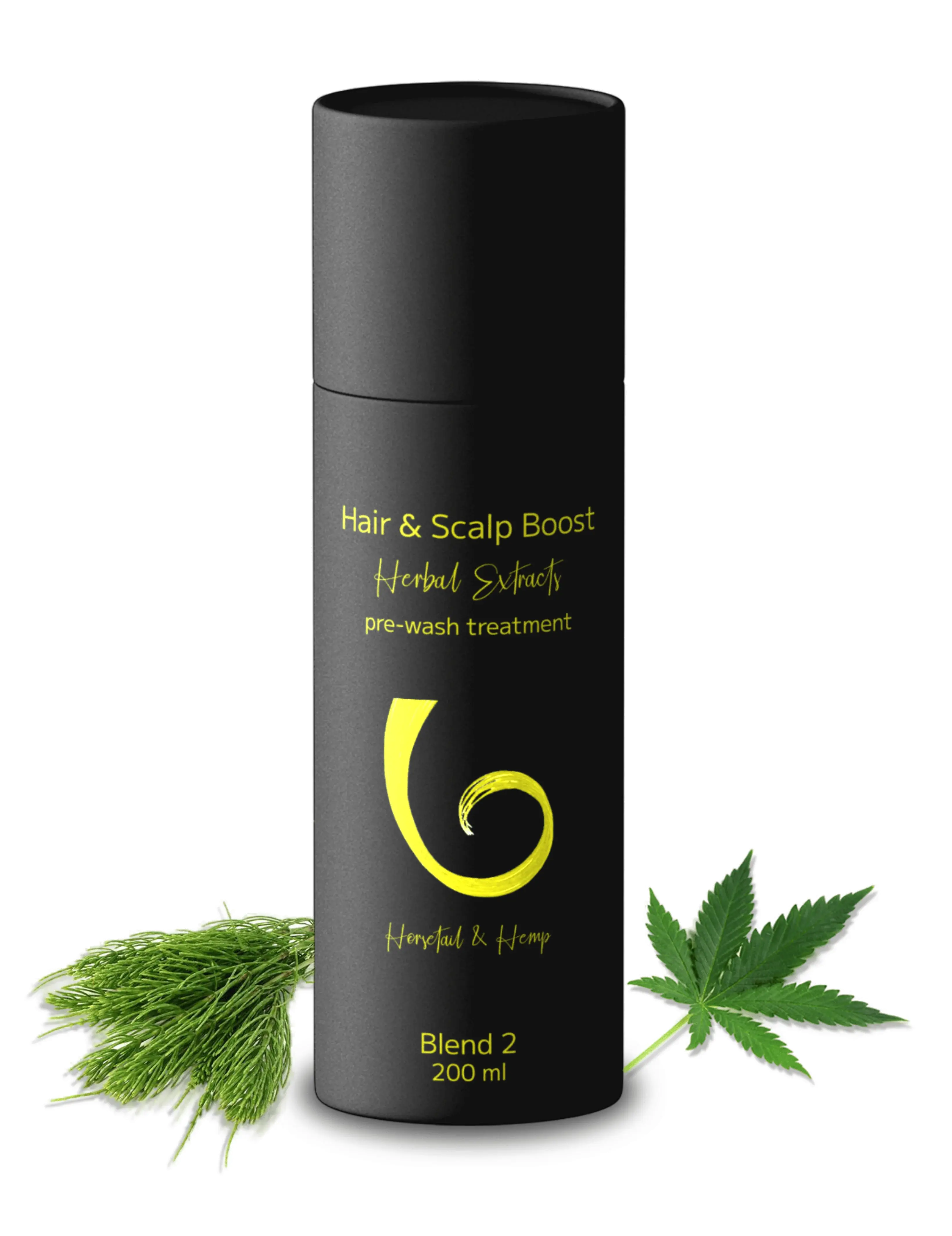
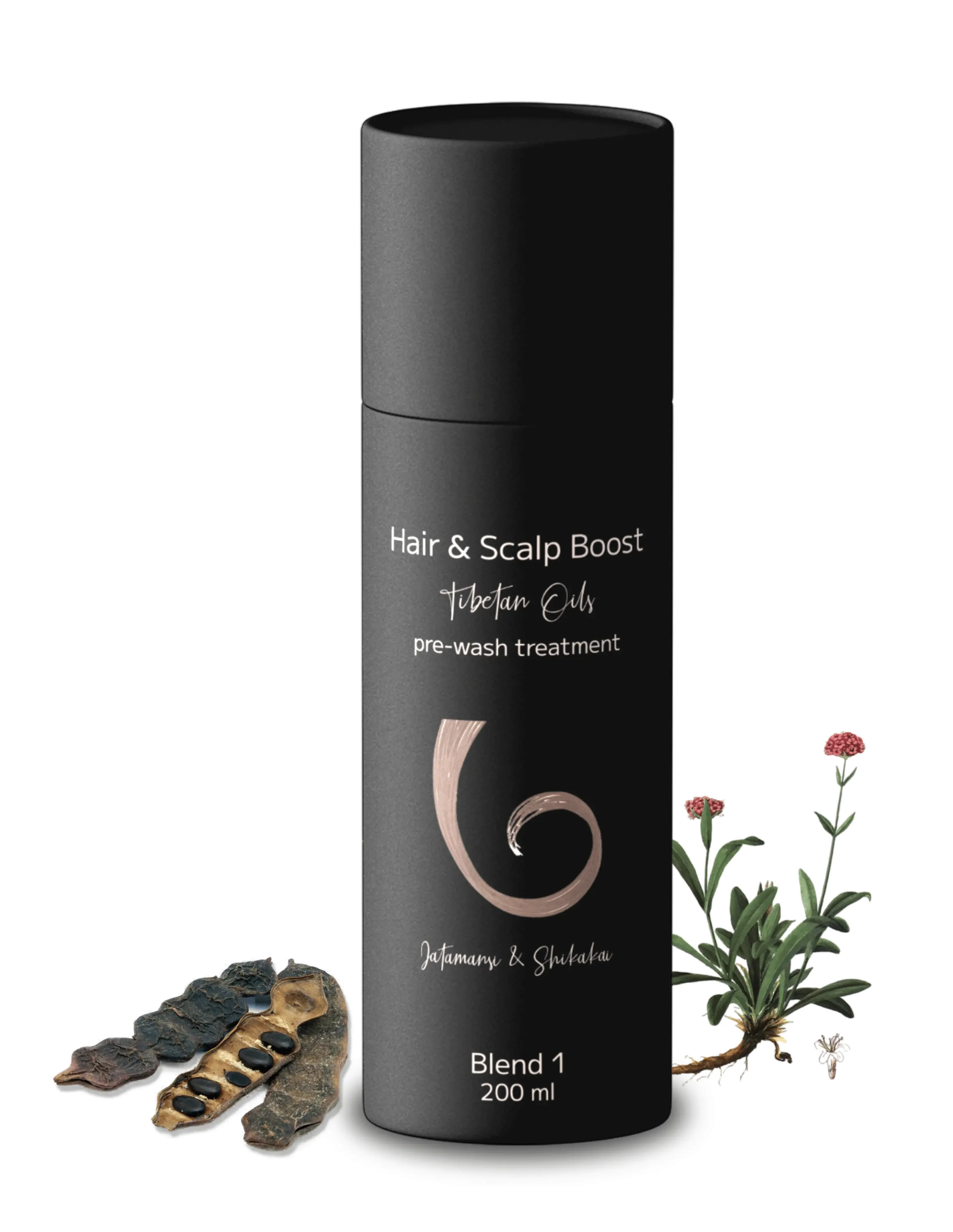
AMLA, BHRINGRAJ, BLACKSEED OIL, CAMPHOR, CASTOR OIL, GINKGO, HENNA, HORSETAIL, INDIGO, JATAMANSI, NAGARMOTHA, ROSEMARY, SACHA INCHI, SAGE, SESAME OIL, SHEA NUT BUTTER, SHIKAKAI, VITAMIN A, H
Recommended:
Our whole range is made in Melbourne, Australia.
All products are offered exclusively online.
Many things can cause our hair to grey, including genetics and stress. The greying of hair most of the time is unrelated to stress, but it can worsen the greying. Hair follicles have stem cells called melanocytes that produce a pigment called melanin, which gives hair its colour. Melanocytes turn over to continue making melanin for a set amount of time.
There are two types of melanin: eumelanin and pheomelanin. Diversity in hair colour comes from the quantity and ratio of black-brown eumelanin and red-brown pheomelanin. A mutation in a certain receptor leads to red hair.
As we age, these melanin producing cells go through a process called apoptosis, or programmed cell death, causing the hair to turn grey or white.
Apart from age, other factors can determine when a person’s hair will start to change colour. The first is genetics — if your parents started to grey at an early age, there is a chance you will, too. Ethnicity also plays a role. Greying occurs earlier in Caucasians compared with African Americans.
Another reason is stress. Chronic stress can have multiple effects on the body, and the hair is no exception. The theory is that melanocytes are depleted when under stress. While genetics seems to be a larger factor in when one grays, stress can contribute to it.